
How to Choose the Best CBD Product for Your Lifestyle?
Quick Summary It’s Not About the Strongest Product; It’s About the Right Fit The CBD market has grown rapidly over the past several years, giving
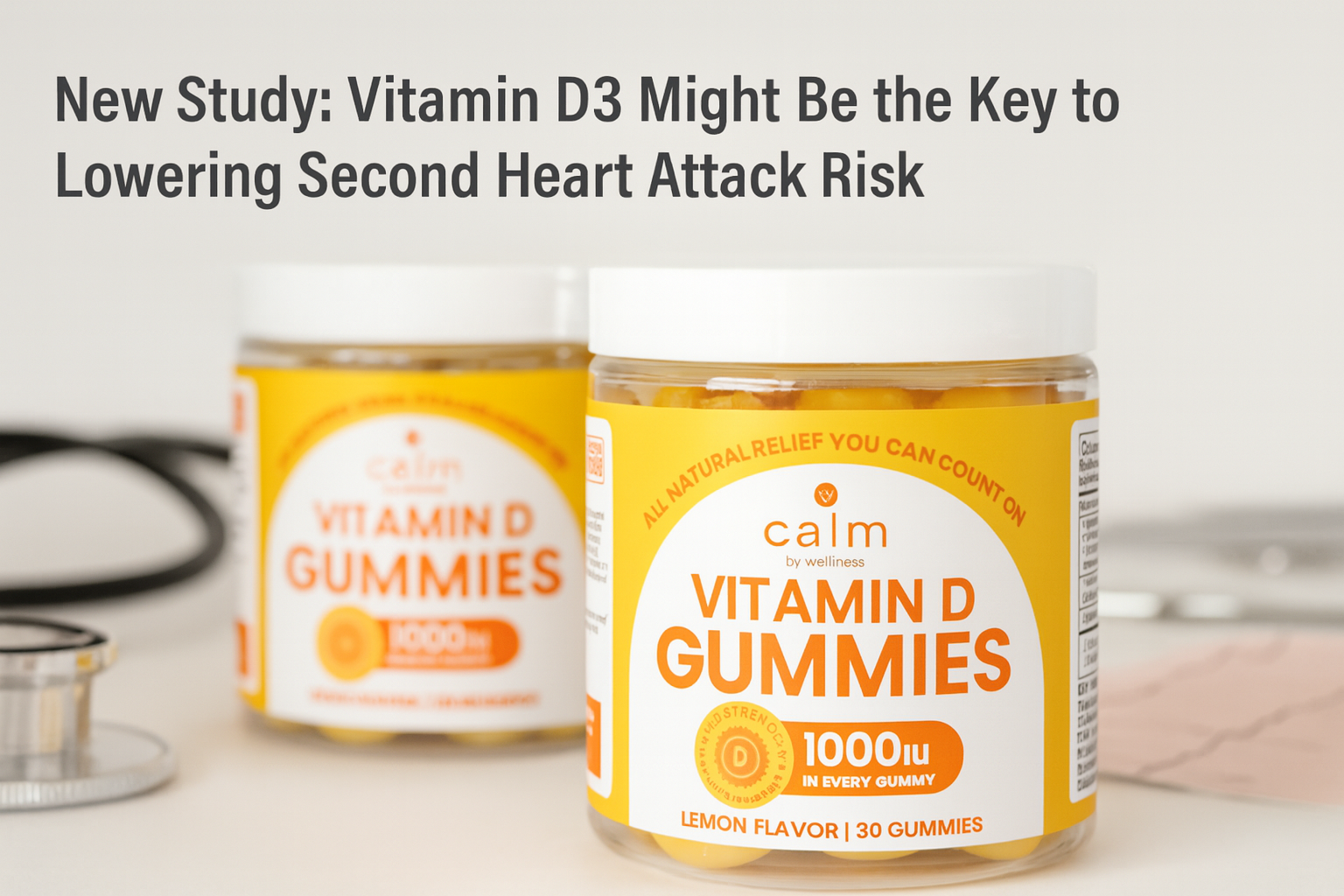
A recent randomized trial (called the “TARGET‑D” trial) enrolled about 630 adults who had recently had a heart attack.
The researchers divided the participants into two groups:
The key result: Among those who received the tailored vitamin D3 treatment, the risk of having a second heart attack was roughly half that of those in the standard care group.
Specifically, the follow‑up heart attack rate was about 3.8% in the treatment group compared to about 7.9% in the control group.
However, the study did not show a statistically significant reduction in the combined set of all major cardiovascular events (which included heart failure hospitalization, stroke, and death) for the treatment group.
In short: Tailoring vitamin D3 to reach a certain blood level may strongly reduce the risk of a repeat heart attack in survivors, though broader cardiovascular benefit remains unproven.
Vitamin D3 is the form of vitamin D our bodies produce when skin is exposed to sunlight, and it is also found in certain foods or supplements. It supports bone health, muscle function, immune health, and more.
For heart health, observational studies have long shown that low vitamin D levels are associated with worse outcomes: higher risk of heart attacks, strokes, and heart failure.
The reasons may include:
Previous trials trying uniform doses of vitamin D3 (without monitoring blood levels) showed mixed or no benefit for heart disease. Researchers believe the missing link was not measuring what happened inside the body (i.e., the blood level of vitamin D).
That is why this new trial’s “adjust by blood level” approach may mark a turning point.
Researchers used a treat-to-target model: measure vitamin D levels, supplement as needed, and retest regularly.
Key details:
The trial ran for over 4 years. Participants had all received care for a recent heart attack. Nearly half had a prior heart attack as well. This was a high-risk group.
Because the study is preliminary (not yet a fully peer‑reviewed publication) and focused only on patients with existing heart disease, its results may not apply to the general population who have never had a heart attack.
The results suggest that reaching and maintaining healthy vitamin D3 levels can reduce the risk of another heart attack.
What they mean:
What they don’t mean:
The results apply only to people with confirmed heart disease and low vitamin D3 levels.
Ask your doctor to test your 25-hydroxy vitamin D level. If it’s under 40 ng/mL, your provider may recommend supplementation.
Best practices:
Dietary sources like salmon, sardines, egg yolks, and fortified foods can help maintain healthy levels. Sun exposure also boosts vitamin D3, but may not be enough alone.
You might consider a daily dose of vitamin D3, such as the vegan‑friendly Calm by Wellness Vitamin D Gummies (each provides 1,000 IU of D3), as one convenient way to maintain healthy levels. The key is to use them under medical supervision.
Here are general, beginner-friendly guidelines on vitamin D3 and heart health when used responsibly:
The new trial of tailored vitamin D3 supplementation offers encouraging news for those recovering from a heart attack. It suggests that when vitamin D blood levels are measured and doses adjusted accordingly, the risk of a second heart attack can be cut by about half. That is a large effect in a high‑risk group.
However, this is not a blanket recommendation for everyone. The study focused only on people with existing heart disease. It did not show a reduction in all cardiovascular outcomes. The findings are still preliminary and require further research.
If you have had a heart attack or have heart disease, it is reasonable to talk with your doctor about checking your vitamin D3 level and whether tailored supplementation makes sense in your case. Pair that with proven heart‑health habits for the best overall protection.
This is a promising step forward. Use it as a conversation starter with your healthcare provider. Stay informed. Stay proactive. Your heart health matters.
Quick Summary It’s Not About the Strongest Product; It’s About the Right Fit The CBD market has grown rapidly over the past several years, giving
Short answer: CBD can calm anxious feelings for some people, particularly at low-to-moderate doses, but it can also increase anxiety in others, especially if the
Quick Summary What Is Non-Sleep Deep Rest? Non-sleep deep rest, or NSDR, is a term coined by neuroscientist Andrew Huberman. It describes guided relaxation practices
Key Takeaways You have probably seen creatine in gym bags and protein shakes for years, but a growing number of researchers are now studying creatine
Quick Summary Learning how to sleep on a plane can turn a miserable red eye into genuine rest. Tight seats, cabin noise, dry air, and