
CBD for Seniors and How to Use It Safely
Quick Summary Interest in CBD for seniors has grown as more older adults look for gentler options for everyday concerns. Experts say that cannabis can
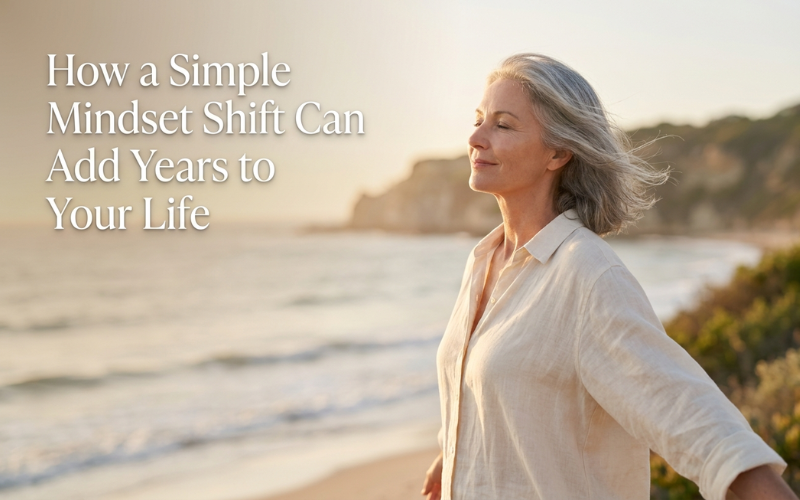
Positivity and aging describe how your outlook on life shapes your experience as you grow older. It is not about ignoring stress. It is about how you respond to it.
A positive mindset often includes optimism, flexibility, and a sense of purpose. These traits can influence how you handle change and how your body responds over time.
As people age, challenges become more complex. Health concerns, life transitions, and daily stress can all add up. A steady mindset can help you move through these changes with more balance.
Your mental outlook can influence your physical health in subtle ways.
People with a more positive mindset often experience lower levels of chronic stress. Lower stress supports heart health and immune function. It can also help regulate inflammation, which is linked to many age-related conditions.
A large study from researchers at Yale followed more than 11,000 older adults over several years. The study found that about 45 percent of participants showed improvement in cognitive or physical function over time. Those with more positive beliefs about aging were significantly more likely to improve.
A positive mindset also affects behavior. People who feel hopeful are more likely to stay active, sleep better, and follow consistent routines.
Optimism plays a key role in the aging process.
Large long-term studies have found that people with higher levels of optimism are more likely to live longer. Many are also more likely to reach older ages without major chronic conditions.
Optimism does not remove difficulties. It changes how people respond to them. Instead of feeling stuck, they are more likely to adapt and keep moving forward.
This ability to adjust becomes more important over time. Aging often requires flexibility. A positive outlook can make that process easier.
Emotional well-being becomes increasingly important as people age.
Life changes can bring new challenges. Retirement, shifting routines, and health concerns can affect how people feel day to day. A stable mindset helps reduce the impact of these changes.
Research suggests that having a sense of purpose is linked to better cognitive health and overall well-being in older adults. People who feel connected to something meaningful often report better quality of life.
There is also a natural shift toward focusing on what matters most. Relationships, daily routines, and simple moments become more valuable. This shift can support emotional balance.
Positivity is built through daily habits. It does not happen all at once.
Simple actions can help support a more balanced mindset:
Regular interaction with others can improve mood and reduce isolation. Even small check-ins can make a difference.
Some people also build small rituals around relaxation. This can include herbal teas, quiet time, or CBD oil tinctures that are used to support a sense of calm.
Movement supports mood and energy. It does not need to be intense. Consistency is more important.
Taking time to notice what went well can slowly shift your perspective. This builds awareness over time.
These habits are simple, but they become powerful when practiced consistently.
A supportive routine can make positivity feel more natural.
Stress and poor sleep can make it harder to stay balanced. Simple routines can help regulate both. Evening habits that focus on relaxation can improve sleep quality and recovery.
Simple routines can make it easier to stay consistent. Some people add calming habits like breathing exercises or evening wind-down rituals. Others include CBD products as part of their routine to support relaxation. The goal is to build something you can stick with over time.
The goal is to create a system that works for you. Small, repeatable actions tend to have the biggest impact over time.
Research continues to show a strong connection between positivity and aging.
Current findings suggest:
Earlier research has also found that people with more positive beliefs about aging tend to have better long-term health outcomes.
These patterns suggest that aging is not only physical. It is also shaped by how people think and feel each day.
Positivity and aging are closely connected. A healthy mindset does not remove challenges, but it can change how those challenges affect your life.
Over time, small shifts in perspective can lead to meaningful changes. Better stress management, stronger habits, and emotional resilience all support healthier aging.
The focus is not perfection. It is consistency.
Simple routines, steady habits, and a grounded mindset can help you age with more clarity and balance.
Quick Summary Interest in CBD for seniors has grown as more older adults look for gentler options for everyday concerns. Experts say that cannabis can
Quick Summary You open a drawer and find a bag of gummies with a date that passed months ago. If those gummies contain CBD or
Quick Summary New federal hemp rules are scheduled to take effect on December 11, 2026. Under those rules, hemp products that contain measurable amounts of
Quick Summary Imagine you recommend your favorite CBD product to a friend, and their experience turns out to be nothing like yours. Maybe 10 mg
Quick Summary Broad spectrum CBD is one of three main types of hemp extract, alongside full spectrum CBD and CBD isolate. With so many labels