
CBD for Seniors and How to Use It Safely
Quick Summary Interest in CBD for seniors has grown as more older adults look for gentler options for everyday concerns. Experts say that cannabis can
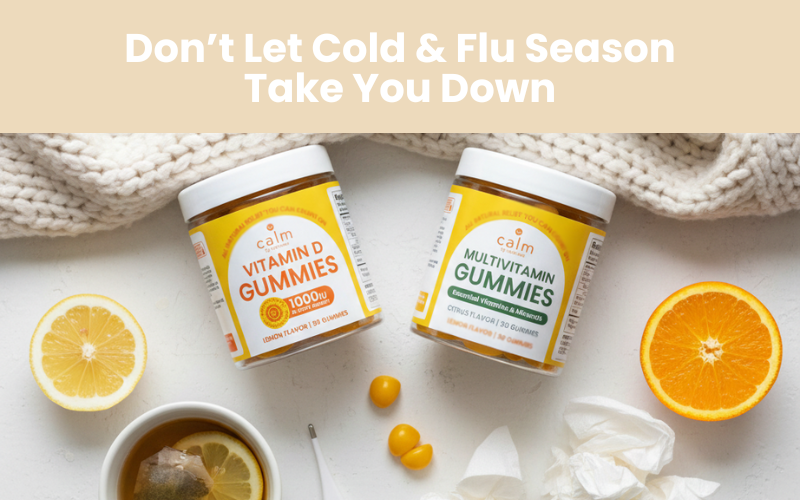
Cold and flu season refers to the period when respiratory viruses circulate more widely among people. The change in seasons often signals the start of this increased spread.
It is common for adults to catch two to three colds in a year, and the flu adds a higher level of risk due to possible complications.
Colds and flu spread more easily during colder months for multiple reasons.
Understanding these factors helps you see why the risk rises and why prevention matters.
Many people confuse a common cold and the flu because symptoms overlap. It helps to know the differences.
Knowing this difference helps you decide when to rest at home, when to take preventive steps, and when to seek care.
Here are five strong methods to reduce your risk during cold and flu season.
The annual flu vaccine is the best single protection against influenza. The vaccine is updated each year because flu strains change. Even if you are healthy, vaccination helps protect people around you who may be more vulnerable.
Frequent hand‑washing with soap and warm water or using hand sanitizer helps reduce virus spread. Avoid touching your face (nose, eyes, mouth) after touching common surfaces. Cover your coughs or sneezes, and dispose of tissues right away. When possible, stay away from sick individuals and disinfect high‑touch surfaces.
While no routine guarantees immunity, a healthy lifestyle helps your body respond better to infections. Focus on consistent sleep, hydration, and a diet rich in colorful fruits and vegetables. These basic habits form the foundation of strong immune function.
Some supplements may offer added support. For example, Calm by Wellness Multivitamin Gummies include essential nutrients like vitamins C, D3, B12, and zinc. These are known to help fill nutritional gaps and support your immune system during cold and flu season. They’re easy to take and can fit into most daily wellness routines.
Humidifiers also help by keeping the air moist. This can prevent dryness in your nose and throat, which supports your body’s natural defenses.
Indoor gatherings, crowded spaces, and poor ventilation increase the risk of catching or spreading viruses. If you are in a high‑risk group (such as chronic illness, older age, or weakened immunity), take extra care by limiting large social gatherings or ensuring good air flow.
Pay attention to early symptoms, especially if you are at higher risk for complications. If you develop a fever, persistent cough, shortness of breath, or worsening symptoms, seek medical advice. Early rest, fluids, and following your doctor’s advice help you recover better and reduce the spread.
If you fall into any of these scenarios, you should see a healthcare provider:
Prompt evaluation improves outcomes and helps prevent serious illness.
Cold and flu season doesn’t have to catch you off guard. With a few intentional steps, you can protect yourself and those around you.
Get the flu shot each year. Wash your hands regularly. Stay aware of symptoms and avoid crowded spaces when you feel unwell.
Daily choices matter too. By getting enough rest, eating well, and using immune-supporting habits, you give your body what it needs to stay resilient.
Start now. Your health and the health of your community depend on it.
Quick Summary Interest in CBD for seniors has grown as more older adults look for gentler options for everyday concerns. Experts say that cannabis can
Quick Summary You open a drawer and find a bag of gummies with a date that passed months ago. If those gummies contain CBD or
Quick Summary New federal hemp rules are scheduled to take effect on December 11, 2026. Under those rules, hemp products that contain measurable amounts of
Quick Summary Imagine you recommend your favorite CBD product to a friend, and their experience turns out to be nothing like yours. Maybe 10 mg
Quick Summary Broad spectrum CBD is one of three main types of hemp extract, alongside full spectrum CBD and CBD isolate. With so many labels