
How to Choose the Best CBD Product for Your Lifestyle?
Quick Summary It’s Not About the Strongest Product; It’s About the Right Fit The CBD market has grown rapidly over the past several years, giving
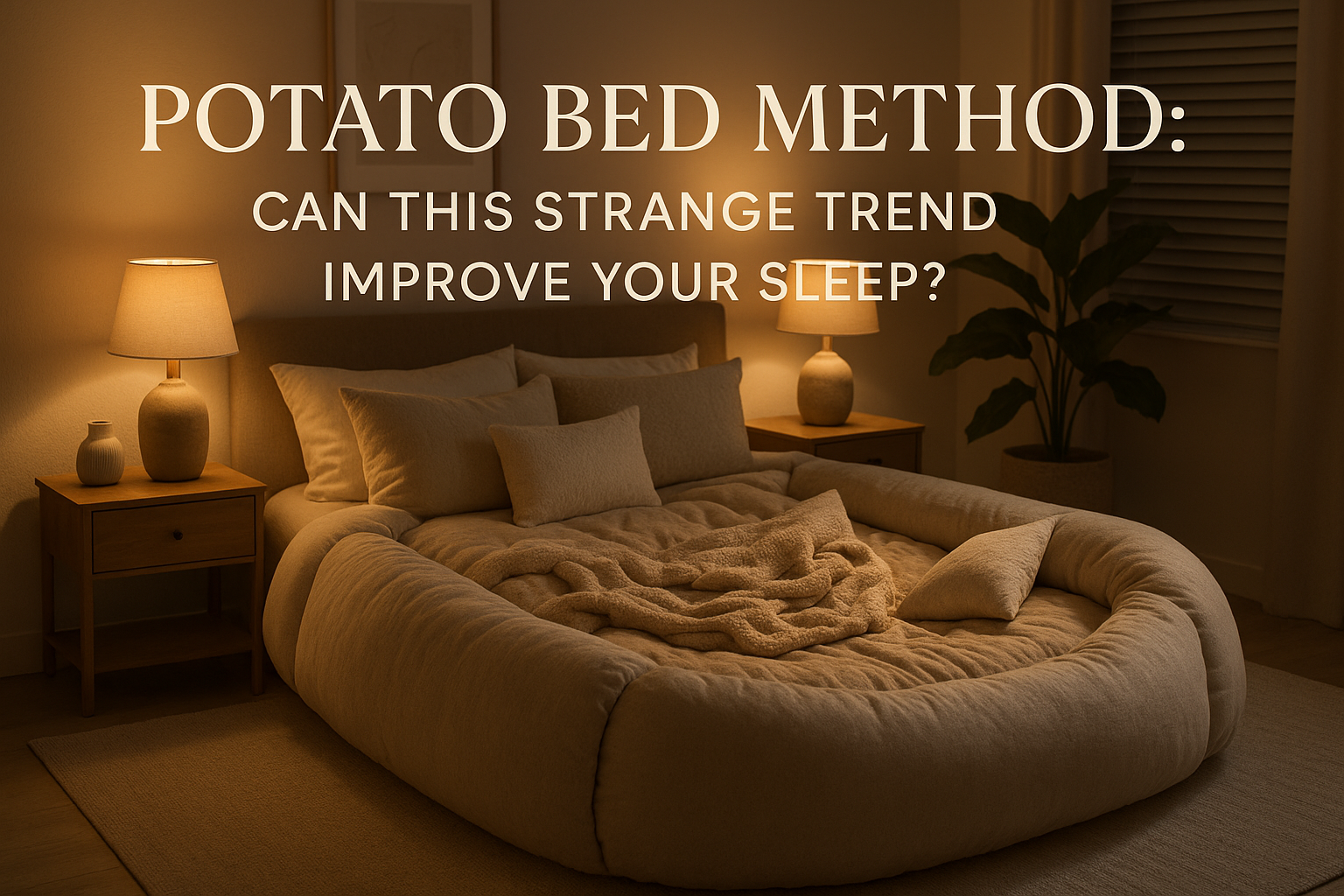
The term “potato bed” describes a DIY sleep setup where you turn a fitted sheet upside-down on your mattress, stuff the edges with pillows and blankets to form “walls”, then fill the middle with blankets and cushions, creating a cocoon-like nest.
It does not involve actual potatoes or food. The name arises because the bed setup looks like a “jacket potato” shape with the person inside. This trend has gained traction on social media (especially TikTok) as users share their setups and claim better rest.
We are living in an era of sleep concerns. Many people report trouble falling asleep or staying asleep.
The potato bed appeals because it is low-cost, simple, and fun to make. You use items you already own. It taps into our desire for comfort, security, and a feeling of being held or cocooned. According to a sleep expert, that sensation may reduce stress.
People are increasingly looking for hacks and rituals they can control in their sleep environment. This gives one such option.
Here is how you can try the potato bed setup at home:
Here are the benefits that people are reporting and what early expert commentary suggests.
Being surrounded by soft walls may evoke the comfort of being wrapped or held. That sense of comfort may reduce anxiety before sleep.
Some sleep scientists suggest the extra cushions and blankets may mimic the effect of light, even pressure. If you enjoy being wrapped up, this may help signal to your brain and body that it is time to wind down.
Making the potato bed is a distinct action you take before sleep. The act of prepping the bed may itself become part of a wind-down routine and cue your brain for rest.
When your body feels safe and relaxed, your mind may drop cortisol and release serotonin or oxytocin. Experts link such feelings with easier sleep onset.
Even if the effect is modest, creating a cozy sleep environment shows you value rest. That mindset shift can help improve overall sleep hygiene.
In colder seasons, the snug, layered feel may be especially inviting. Several articles point out that the potato bed might be most appealing when you want to feel warm and comforted.
While the potato bed has benefits, it also has drawbacks, and it is not suitable for everyone.
When you pile on many blankets and pillows, you may trap warm air. But good restorative sleep depends on a slight drop in core body temperature.
If pillows and cushions push your body into awkward positions, you may wake with aches or stiffness.
The potato bed is a complementary sleep idea. It will not fix a failing mattress or an untreated sleep disorder.
If you move a lot at night, get hot easily, or need minimal cushioning, this style may feel restrictive or uncomfortable.
When to avoid or modify:
The potato bed trend is all about comfort. To enhance the calming vibe, consider adding small touches that support rest.
A light lavender scent from a nearby diffuser or pillow spray can signal bedtime to your brain. Some people also find that sleep supplements, such as CBD, magnesium, or melatonin, help ease tension before sleep.
These small additions will not replace good sleep habits or a supportive mattress. However, when paired with a cozy setup, they can encourage your body to shift into rest mode more easily.
The potato bed sleep trend offers a playful yet purposeful way to reshape your sleep environment. It leverages simple comfort cues to promote a sense of safety and wind-down. For many people, it may feel more relaxing and support a better pre-sleep time.
However, it is not a magic fix. A proper sleep setup still requires a supportive mattress, correct pillow alignment, cool room temperature, consistent bedtime habits, and addressing any underlying sleep disorders that may exist.
If you decide to try it, treat it as an experimental addition to your sleep routine rather than a foundational change. Watch how your body responds. Tweak it to your preferences. If it enhances your comfort without causing overheating or misalignment, it could become a useful tool for better rest.
Quick Summary It’s Not About the Strongest Product; It’s About the Right Fit The CBD market has grown rapidly over the past several years, giving
Short answer: CBD can calm anxious feelings for some people, particularly at low-to-moderate doses, but it can also increase anxiety in others, especially if the
Quick Summary What Is Non-Sleep Deep Rest? Non-sleep deep rest, or NSDR, is a term coined by neuroscientist Andrew Huberman. It describes guided relaxation practices
Key Takeaways You have probably seen creatine in gym bags and protein shakes for years, but a growing number of researchers are now studying creatine
Quick Summary Learning how to sleep on a plane can turn a miserable red eye into genuine rest. Tight seats, cabin noise, dry air, and