
7 Signs of Quality Supplements You Can Trust
Quick Summary What to Know About Quality Supplements The supplement industry is large and widely accessible. Many people use supplements to support sleep, stress, immunity,
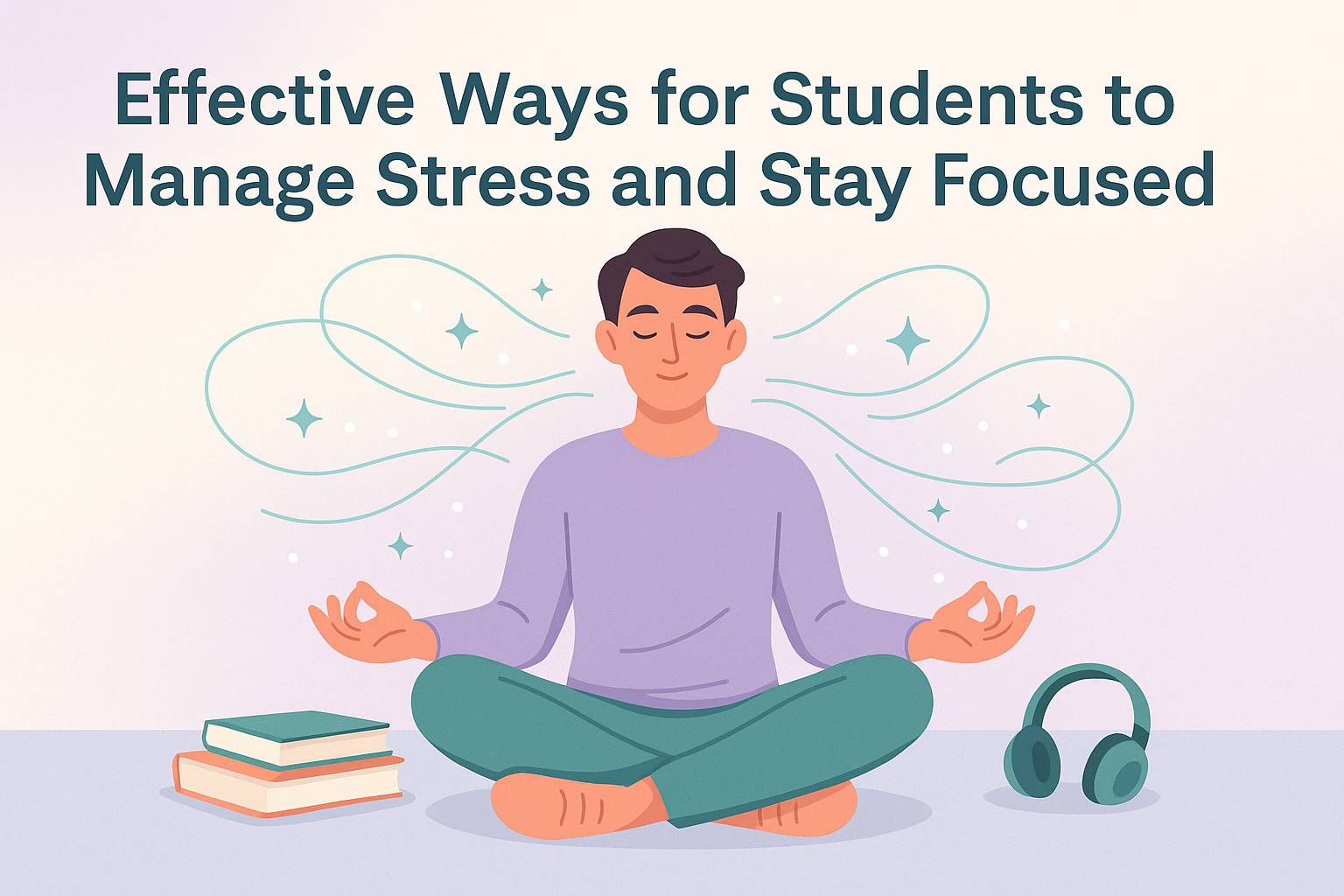
Let’s be real, school can be a lot. It’s not just about keeping up with grades. Many of us are juggling classes, part-time jobs, social drama, big decisions, and the pressure to perform constantly.
Common student stressors include:
Stress can build up without us even noticing. It’s the small things that pile up and eventually wear us down.
Short bursts of stress aren’t always bad. But when stress sticks around too long, it starts to affect your entire system.
Here’s what can happen:
Stress doesn’t just live in your head; it shows up in your body, too.
Sleep is not optional. It’s the foundation for how we feel, think, and handle stress. When we skip rest, everything else gets harder: focus, mood, memory, even immune function.
Here’s how to get better sleep:
If your sleep still feels off after trying those basics, some people turn to short-term aids like melatonin. It’s a supplement that mimics a hormone your body already makes and can help with falling asleep, especially if your internal clock is out of sync from all-nighters or late-night scrolling.
But heads up: melatonin isn’t meant for everyday use, and it’s not a fix for deeper sleep problems. Talk to a healthcare provider before using it, especially if you’re already taking other medications or have a health condition.
Breathing is something we do without thinking but doing it intentionally can slow your heart rate, lower anxiety, and give you back some control.
The 4-7-8 method is super simple:
You can also try simple belly breathing. Sit still, breathe deep into your stomach, and exhale slowly.
Progressive Muscle Relaxation (PMR) is a stress-relief technique where you tense and then relax different muscle groups.
It looks like this:
PMR helps you become more aware of where you’re holding tension and how to let it go.
Ever imagine you’re on a beach while stuck in class? Visualization takes that idea and makes it intentional. Picture a calm, peaceful place and mentally walk yourself through the sounds, smells, and sights.
Even a few minutes can reset your mood and slow racing thoughts. You can find free guided imagery tracks online or just create your own scene in your head.
Exercise is one of the most natural stress relievers we have. It doesn’t have to mean the gym. Walking, yoga, biking, dancing in your room, it all counts.
Physical movement:
Aim for 20–30 minutes of movement most days.
Food and mood are connected. When we skip meals or live off coffee and snacks, our energy crashes and stress gets worse.
Try to:
You don’t have to eat perfectly, just fuel your brain and body consistently.
Having people in your corner changes everything. We all need connection when we’re dealing with pressure.
Things that help:
Even short conversations can reduce isolation and lighten the load.
Mindfulness means paying attention to what’s happening right now, your thoughts, body, and surroundings, without freaking out about them.
You can try:
It’s not about ignoring stress. It’s about noticing it without letting it take over.
When everything feels urgent, nothing gets done. That’s where time management comes in.
Start with:
Protecting your time = protecting your peace.
We all need breaks that actually feel like breaks. Scrolling TikTok for hours might be fun, but it doesn’t always recharge us.
Try:
Give your brain some off-duty time and you’ll come back more focused.
You don’t have to do all ten. Start with two or three and build from there.
Here’s how:
The goal isn’t to eliminate stress. It’s to get better at managing it.
If stress is taking over your life, like you can’t sleep, focus, or stop spiraling, it’s totally okay to ask for help.
Signs you might need support:
Talk to a therapist, school counselor, or mental health hotline. Help is real and it works.
School is stressful. Life is busy. But you don’t have to white-knuckle your way through it all. These stress relief techniques are simple, evidence-based, and completely doable, even with a packed schedule.
We’re all figuring this out as we go. Be kind to yourself, experiment with what helps, and remember that progress counts, even when it’s slow.
Quick Summary What to Know About Quality Supplements The supplement industry is large and widely accessible. Many people use supplements to support sleep, stress, immunity,
Quick Summary What Are Micro-Responses for Stress Micro-responses for stress are small, intentional actions that help your body return to a calmer state. They take
Quick Summary Stress can feel deeply personal, but the new most stressed states in 2026 ranking shows that where you live can shape that experience
Quick Summary What Are Dopamine Supplements The best dopamine supplements are products designed to support the body’s natural production of dopamine. Dopamine is a neurotransmitter
Quick Summary Why Music Feels So Calming in the First Place Most people instinctively turn to music when they feel stressed. It can shift your