How Air Pollution May Affect Brain Health
Quick Summary Air pollution is increasingly being studied for its potential effects on the brain. For many years, scientists focused mainly on how polluted air

A growing body of research is exploring the connection between multivitamins and biological aging. Scientists want to know whether daily nutrient supplements can influence how quickly the body ages at the cellular level.
A recent clinical trial suggests the answer may be yes, although the effect appears small. Researchers found that older adults who took a daily multivitamin experienced slightly slower biological aging compared with those who took a placebo.
The study measured aging using DNA markers rather than birthdays. This approach helps scientists understand how lifestyle and nutrition affect the body’s internal aging process.
While the results are promising, experts emphasize that supplements are not a shortcut to longevity. Healthy habits still play the largest role in how people age.
Biological aging refers to how quickly the body’s cells and tissues change over time. It is different from chronological aging, which simply counts how many years someone has lived.
Two people who are the same age can have very different biological ages. One person’s body may show signs of aging faster than the other.
Researchers measure biological aging using biomarkers such as:
These measurements provide clues about the body’s internal wear and tear. Scientists often call these tools “epigenetic clocks” because they estimate how fast the body’s biological clock is ticking.
Biological age is important because it is closely linked to health outcomes. People whose biological age is higher than their chronological age may have a greater risk for chronic disease.
A recent randomized clinical trial followed nearly 1,000 adults around age 70 for two years. Participants were divided into several groups that received either a daily multivitamin, a cocoa supplement, both supplements, or a placebo.
Researchers examined blood samples to track biological aging using several epigenetic clocks.
The results showed a modest difference. Participants taking daily multivitamins showed about four months less biological aging over two years compared with those who did not take the supplement.
The effect was not dramatic, but it was measurable.
Interestingly, the strongest benefit appeared in people whose biological age was already higher than their chronological age at the start of the study.
The cocoa extract used in the trial did not show the same effect.
Researchers noted that the findings suggest nutrition could influence the aging process at the cellular level.
To understand the study results, it helps to know how biological aging is measured.
Modern aging research often relies on DNA methylation analysis. This method looks at chemical tags attached to DNA that change over time.
These patterns help create “epigenetic clocks.” Scientists compare DNA markers from a blood sample to known patterns associated with different ages.
If someone’s epigenetic age appears younger than their chronological age, their body may be aging more slowly.
If it appears older, aging may be occurring faster.
These tools have become widely used in aging research because they provide measurable biological signals linked to disease risk and longevity.
However, experts also note that epigenetic clocks are still evolving. They capture some aspects of aging, but they do not represent the entire biological picture.
Nutrients play essential roles in nearly every cellular process in the body.
Many vitamins and minerals help regulate:
Deficiencies in key nutrients can disrupt these processes.
For example, nutrients such as B vitamins, vitamin D, and antioxidants support metabolic pathways involved in DNA stability and cellular maintenance.
Because nutrients play such an important role in cellular repair and metabolism, some people choose to add a daily multivitamin to help maintain consistent intake. A balanced diet should always be the foundation of good nutrition. However, supplements can help fill potential gaps when daily meals fall short. Products such as Calm by Wellness multivitamin gummies provide a convenient way to get essential vitamins like B vitamins, vitamin D, and zinc that support overall wellness and healthy aging routines.
Nutritional needs often change with age.
Older adults may absorb nutrients less efficiently or eat less food overall. Certain medications can also interfere with nutrient absorption.
Because of these factors, nutrient deficiencies become more common later in life.
A daily multivitamin may help provide consistent intake of essential nutrients.
Researchers believe this could explain why older adults may see measurable benefits in studies focused on aging and cognitive health.
For example, previous research has found that multivitamins may help support memory and cognitive function in older populations.
Still, scientists caution that supplements are not a cure for aging. The observed improvements in biological aging were modest.
More research is needed to confirm whether these changes translate into longer life or reduced disease risk.
The short answer is no.
Most nutrition experts agree that supplements should support a healthy diet, not replace it.
Whole foods provide nutrients in complex combinations that supplements cannot fully replicate.
Fruits, vegetables, whole grains, legumes, and healthy fats contain fiber, phytonutrients, and antioxidants that work together to support long-term health.
Large nutrition studies consistently show that high-quality diets are associated with slower biological aging and lower disease risk.
In other words, supplements may help fill nutritional gaps. They cannot compensate for poor eating habits.
While many people take multivitamins, they may be especially useful for certain groups.
These include:
In these cases, a daily multivitamin can help ensure consistent nutrient intake.
Health professionals usually recommend choosing supplements that stay within recommended daily nutrient levels.
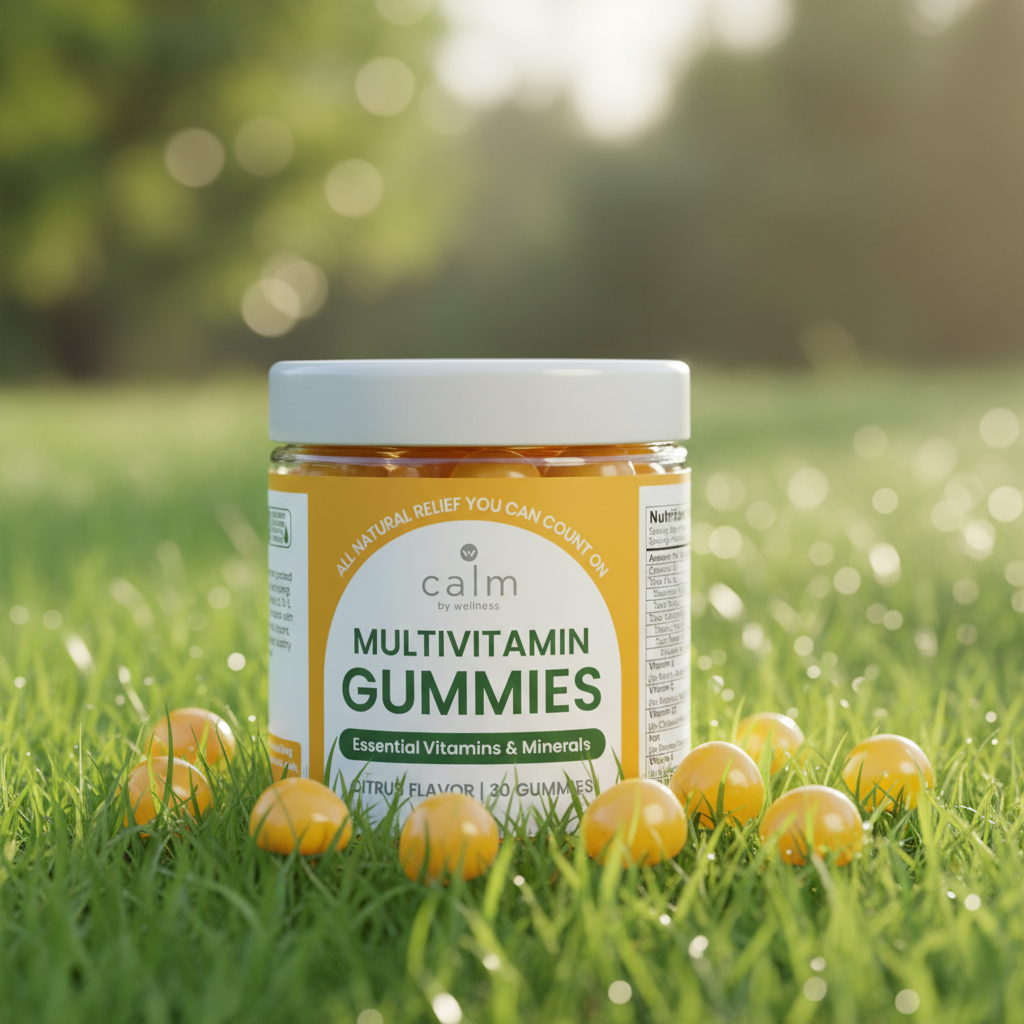
Excessive doses of certain vitamins can cause unwanted side effects. For this reason, many experts suggest discussing supplement use with a healthcare professional.
Supplements are only one piece of the aging puzzle.
Research consistently highlights several lifestyle habits that influence biological aging.
These include:
High-quality diets have been linked with slower biological aging in large population studies.
Exercise also plays an important role. Physical activity helps regulate inflammation, metabolism, and cellular repair processes.
Healthy aging usually results from a combination of habits rather than a single supplement or intervention.
The latest research adds an interesting piece to the puzzle of aging.
The idea that we can influence our biological age through simple daily habits is an empowering shift in how we think about getting older. The latest research on multivitamins and biological aging provides a compelling reason to consider a daily multivitamin, especially for those in their middle and later years. By supporting DNA health and filling nutritional gaps, these supplements may help slow the internal clock.
However, it is important to remember that there is no “magic pill” for longevity. Sowing the seeds of a long, healthy life involves a combination of movement, social connection, restorative sleep, and good nutrition. A multivitamin is a valuable tool in that toolkit, helping to ensure that your cells have the best possible chance to stay resilient as the years go by.
As always, if you are considering starting a new supplement, it is a good idea to have a conversation with your healthcare provider. They can help you determine if you have specific deficiencies and ensure that a multivitamin won’t interfere with any medications you may be taking. Aging is inevitable, but how we age is increasingly within our control.
Quick Summary Air pollution is increasingly being studied for its potential effects on the brain. For many years, scientists focused mainly on how polluted air
Quick Summary Why the News Can Make You Feel Anxious Most people follow the news because they want to understand the world around them. Staying
Quick Summary Depression is not just about sadness. It can affect your entire body. Many people experience real, measurable physical symptoms of depression, even if
Quick Summary: The Salt-Mood Connection More people are asking, can too much salt make you depressed? For years, salt has been framed as a heart

Quick Summary Does your phone keep you up at night? According to a study by the American Academy of Sleep Medicine, 80% of respondents reported