How to Choose the Best CBD Product for Your Lifestyle?
Quick Summary It’s Not About the Strongest Product; It’s About the Right Fit The CBD market has grown rapidly over the past several years, giving

Every May, people across the United States come together to recognize Mental Health Awareness Month. The annual observance began in 1949 and continues to focus on education, advocacy, and support for people living with mental health challenges.
Mental Health Awareness Month 2026 carries the theme “More Good Days, Together.” The message encourages people to think about what a good day looks like for them personally and how communities can help create more of those moments for everyone.
The campaign also highlights something important. Mental health support is not one-size-fits-all. Different people need different kinds of care, routines, and support systems.
Mental health conversations have become more common in recent years. Even so, stigma, limited access to care, and emotional burnout continue to affect millions of people.
Mental Health Awareness Month 2026 focuses on improving awareness while encouraging practical support. The goal is not only to talk about mental health. The goal is also to help people feel supported in daily life.
Organizations involved in the campaign continue to focus on several long-term priorities:
According to national mental health organizations, awareness campaigns remain important because many people still avoid treatment due to fear, shame, or lack of access.
The 2026 theme also shifts attention toward everyday well-being. A “good day” may look different for every person. For some people, it may mean reduced stress. For others, it may simply mean feeling connected or emotionally steady.
Public discussions around anxiety, depression, and burnout are more visible today than they were years ago. Still, awareness does not automatically solve the problem.
Many people continue to face barriers to care. Cost, provider shortages, long wait times, and social stigma still prevent people from getting support.
Mental health experts also continue to point out that emotional struggles affect physical health, sleep quality, relationships, and work performance.
Young adults remain especially vulnerable. Recent national survey data showed elevated levels of anxiety, depression, and suicidal thoughts among people between ages 18 and 25.
Mental health awareness campaigns help normalize conversations around these experiences. They also remind people that support can come in many forms, including therapy, lifestyle changes, social connections, stress management, and healthy routines.
The 2024 NSDUH findings show how widespread mental health struggles remain in the United States.
According to data highlighted during Mental Health Awareness Month 2026:
Mental health advocates stress that these numbers are not meant to create fear. Instead, they highlight why early support and open discussion matter.
The growing focus on emotional wellness has also increased interest in daily mental health routines. Some people focus on exercise, mindfulness, sleep habits, or therapy. Others explore calming wellness products as part of their broader self-care routine.
For example, some adults incorporate calming rituals into evening routines to support relaxation and stress management. Products from Calm by Wellness are often used alongside practices like mindfulness, journaling, and sleep hygiene rather than as replacements for professional care.
The phrase “More Good Days, Together” reflects a broader view of mental wellness. It recognizes that mental health is not only about crisis intervention. It is also about improving the everyday quality of life.
Mental health organizations describe good days as moments where people feel more grounded, supported, and emotionally stable.
That may involve:
The “together” portion of the message also matters. Mental health challenges can feel isolating. Community support can help reduce that isolation.
Even small actions can help. Checking in on a friend, listening without judgment, or encouraging someone to seek support may have a meaningful impact.
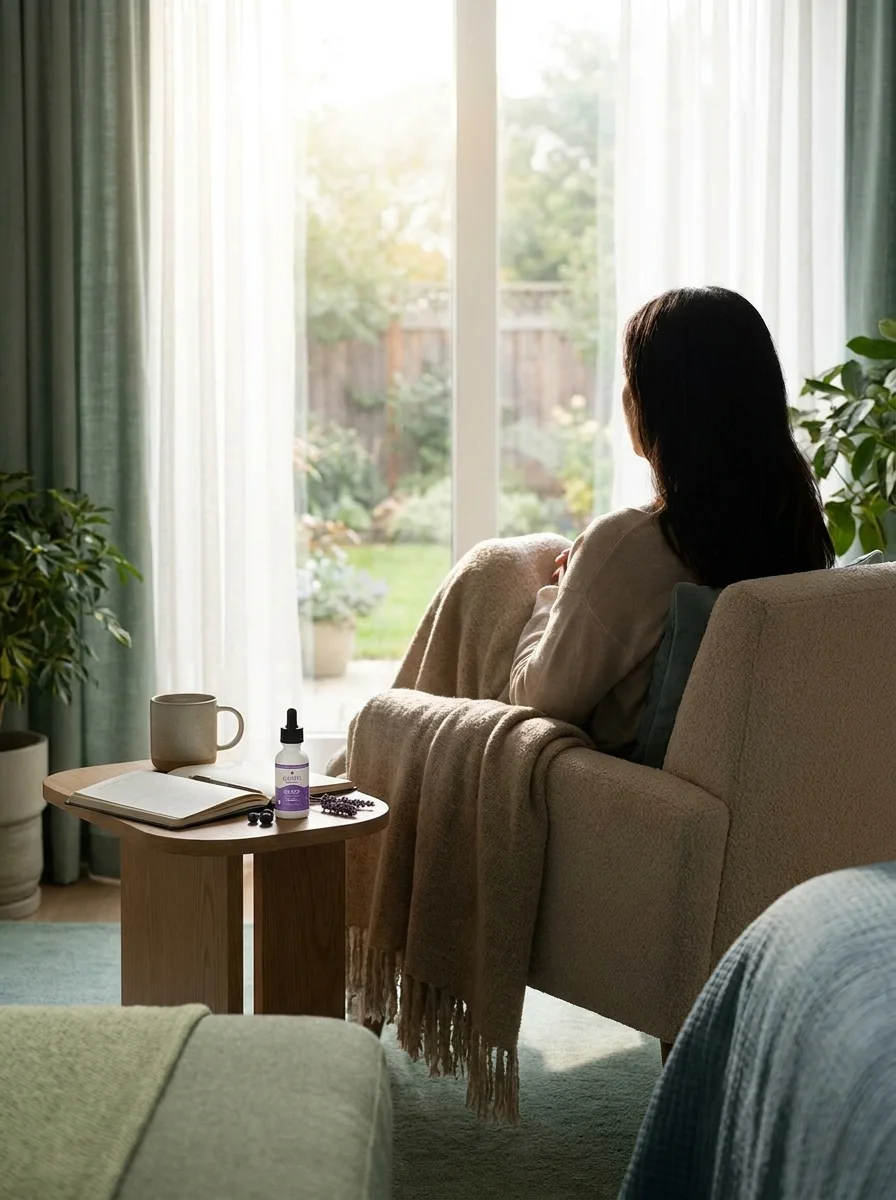
Mental health experts often recommend focusing on manageable habits instead of trying to make dramatic overnight changes.
Simple routines may help support emotional balance over time:
Sleep and mental health are closely connected. Poor sleep may increase emotional stress, irritability, and anxiety symptoms.
Creating a calming nighttime routine may help improve consistency. Some people reduce screen time, practice breathing exercises, or use calming wellness products before bed.
Isolation can worsen stress and emotional exhaustion. Even short conversations or small social interactions may help people feel more connected.
Mental health organizations continue to emphasize community support during Mental Health Awareness Month 2026 because connection plays a major role in emotional well-being.
Physical activity continues to be associated with better mental well-being. Exercise may help reduce stress while improving mood and sleep quality.
The goal does not need to be intense fitness. Walking, stretching, or light movement may still help.
Self-care does not need to look perfect or expensive. Small routines often matter most.
That may include:
Some adults also include CBD wellness products in broader relaxation routines as part of stress-management habits.
Mental Health Awareness Month 2026 also focuses heavily on community action.
Schools, workplaces, healthcare providers, and local organizations continue to play important roles in reducing stigma and improving access to care.
Mental health campaigns encourage communities to:
Mental health advocates also continue pushing for stronger mental healthcare systems and expanded treatment access nationwide.
Awareness alone cannot solve every challenge. Still, awareness can encourage more people to seek support earlier instead of suffering in silence.
Mental health struggles can look different for every person. Some people experience temporary stress. Others may face ongoing anxiety, depression, trauma, or emotional burnout.
Professional support may help if symptoms begin affecting:
Mental health organizations continue encouraging people to seek help early instead of waiting for symptoms to worsen.
Support may include therapy, counseling, peer support groups, lifestyle adjustments, or medical care depending on individual needs.
Mental Health Awareness Month 2026 continues an important national conversation around emotional well-being, stigma reduction, and access to support.
This year’s theme, “More Good Days, Together,” reflects a simple but meaningful goal. People deserve support that helps them experience more stability, connection, and emotional balance in everyday life.
Awareness campaigns alone cannot fix every mental health challenge. Still, open conversations, supportive communities, and accessible care can make a real difference.
Sometimes, better mental health starts with small daily habits, stronger connections, and the reminder that no one has to navigate difficult seasons alone.