Quick summary
- Learn how to fall asleep quickly with 17 proven, beginner-friendly tips
- Covers breathing techniques, bedtime routines, and sleep environment tweaks
- Includes natural sleep aids like melatonin and CBD
- Backed by research and easy to start using tonight
- Designed to help you fall asleep faster and wake up more refreshed
Can’t Fall Asleep Fast? Start Here
Lying in bed and staring at the ceiling can feel frustrating and endless. Whether your mind is racing or your body just won’t relax, sleep sometimes feels out of reach. The good news is that there are proven ways to help your body and brain wind down.
This article outlines 17 simple strategies for falling asleep quickly, based on science and expert advice. No pills, no pressure; just gentle adjustments to your routine, environment, and mindset that promote better sleep.
Why falling asleep quickly is hard
If you’re struggling to fall asleep, there could be several reasons:
- Your circadian rhythm is out of sync
- You’re exposed to too much artificial light late in the day
- Stress, anxiety, or racing thoughts are keeping your brain alert
- Your sleep space isn’t optimized for comfort
Understanding these root causes makes it easier to fix them.
17 Tips on How to Fall Asleep Quickly
1. Lower the room temperature
Cooler temperatures help your body know it’s time for sleep. Studies show that around 60–67 °F (15.6–19.4 °C) is ideal for most people. A 2019 research review indicates that taking a warm bath about one to two hours before bedtime may help regulate body temperature and promote faster sleep onset.
2. Use the 4-7-8 breathing method
This simple breathing technique helps relax your nervous system.
- Inhale through your nose for 4 seconds
- Hold your breath for 7 seconds
- Exhale slowly through your mouth for 8 seconds
Repeat this cycle a few times before bed.
3. Stick to a sleep schedule
Going to bed and waking up at the same time daily trains your internal clock and helps you fall asleep faster over time. Research also suggests setting aside 30 to 45 minutes in the evening to unwind before bed, helping your body and mind relax and get ready for sleep.
4. Embrace daylight and darkness
Sunlight during the day supports healthy melatonin rhythms. At night, dim the lights to signal your body that it’s time to wind down.
5. Use supplements like melatonin or CBD
Melatonin is a hormone your body naturally produces to signal sleep. Taking a low-dose melatonin supplement may help you fall asleep quickly, especially when traveling or adjusting sleep cycles.
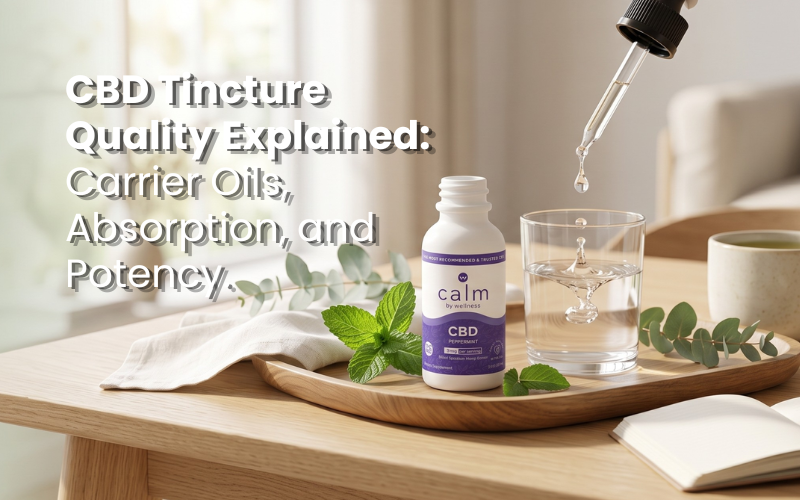
Sleep Oil Tincture containing CBD (cannabidiol) may also help some people relax by easing anxiety or physical tension. Always consult your doctor before using supplements..
6. Practice yoga, meditation, or mindfulness
These mind-body practices reduce stress and calm the nervous system. Even 5–10 minutes of stretching or deep breathing can help.
7. Don’t watch the clock
Looking at the clock can increase anxiety and make it harder to sleep. Turn it away or remove it from view altogether.
8. Skip daytime naps or limit them
Napping too long or too late can delay your ability to fall asleep quickly at night. Keep naps under 30 minutes and before 3 p.m.
9. Time your meals wisely
Avoid heavy or spicy meals within two hours of bedtime. If you’re hungry, go for a light snack like yogurt or a banana.
10. Listen to relaxing music
Soothing music has been shown to improve sleep quality. Choose soft instrumental tracks or nature sounds to help you drift off.
11. Exercise earlier in the day
Physical activity supports sleep, but working out too close to bedtime may have the opposite effect. Aim for morning or early afternoon workouts.
12. Optimize your mattress, pillow, and bedding
The right mattress and pillow can make a big difference. Choose breathable, supportive, and comfortable bedding that suits your body.
13. Turn off electronics well before bed
Screens emit blue light that interferes with melatonin. Shut off devices at least one hour before bed to support your body’s natural sleep signals.
14. Try aromatherapy
Scents like lavender or chamomile may help trigger a relaxation response. Use essential oils in a diffuser or apply a diluted version to your pillow.
15. Write before bed
If your mind is full, writing a to-do list or journal entry can ease mental clutter. It helps release thoughts so your brain can rest.
16. Limit caffeine (especially late)
Caffeine can stay in your system for 6–8 hours. Try avoiding coffee, tea, soda, or chocolate in the afternoon and evening.
17. Adjust sleep position
Sleeping on your side may reduce snoring and promote better breathing. If you’re uncomfortable, try adjusting your pillow height or switching sides.
18. Use paradoxical intention
Try staying awake on purpose in a dim room. This counterintuitive trick may reduce performance anxiety around sleep and help you drift off.
FAQ: How to Fall Asleep Quickly
Why does it take me so long to fall asleep, even when I’m tired?
Your brain might be overstimulated. Late-night screen use, caffeine, or stress can interfere with sleep signals, even if your body is physically tired.
Do natural sleep tips actually work?
Yes. While results vary, many people find that consistent use of natural techniques like breathing, light control, and sleep routines significantly improves sleep speed and quality.
When should I seek help from a doctor?
If you regularly struggle to fall asleep and it affects your daytime function, talk to your healthcare provider. You may have insomnia or another treatable sleep condition.
Conclusion
Learning how to fall asleep quickly isn’t about one miracle fix. It’s a mix of practical habits, consistent routines, and setting up the right environment for rest. Whether you’re using calming music, adjusting your room temperature, or exploring safe supplements like melatonin, small changes add up.
Try a few of these tips tonight and see what works best for your body. The more consistently you practice healthy sleep habits, the easier falling asleep will become.