
How to Choose the Best CBD Product for Your Lifestyle?
Quick Summary It’s Not About the Strongest Product; It’s About the Right Fit The CBD market has grown rapidly over the past several years, giving
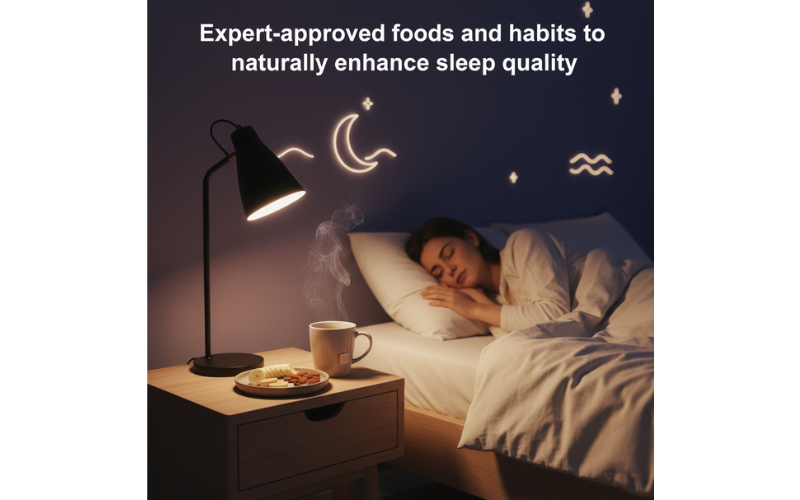
Most people know sleep is important for health, but fewer realize how much their diet impacts it. The foods you choose, and the timing of your meals, can either support healthy sleep or interfere with it. According to the experts, poor eating habits can lead to disrupted sleep and even long-term sleep disorders.
Research has shown a strong connection between a plant-forward diet and better sleep. It turns out, your sleep quality might begin in the kitchen.
Studies from major research institutions point to specific eating habits that benefit sleep quality:
Fiber-rich foods, especially those from plants and whole grains, contribute to better sleep. A high-fiber diet is associated with more time spent in deep, slow-wave sleep. This includes foods like broccoli, lentils, oats, quinoa, and berries.
The Centers for Disease Control and Prevention (CDC) recommends five servings of fruits and vegetables daily. This target is not only good for metabolic health, but it also supports consistent and undisturbed sleep.
Some foods contain nutrients that help regulate circadian rhythms and promote relaxation:
Melatonin regulates the body’s internal clock. Tryptophan supports serotonin production, which is later converted to melatonin. Magnesium helps calm the nervous system, which is vital for sleep onset. These nutrients play essential roles in sleep quality.
It’s generally recommended to avoid eating large meals within two hours of bedtime. Heavy meals trigger digestion and may lead to acid reflux or discomfort, both of which disturb sleep.
Instead, aim to finish dinner earlier in the evening. If needed, opt for a light snack later on.
Caffeine has a long half-life and can remain active in your system for up to 6 hours. This can delay sleep onset and reduce the amount of deep sleep you get.
Alcohol may make you feel drowsy at first, but it can interfere with REM sleep and cause nighttime awakenings. It’s best to avoid both substances later in the day.
Choose Light, Balanced Snacks if You Are Hungry
If you need to eat something before bed, choose snacks that are easy to digest and contain some protein or healthy fats. Good options include:
Avoid sugary, spicy, or fried snacks, which can spike your blood sugar or cause reflux.
| Nutrient | Food Sources | Sleep Benefit |
| Melatonin | Tart cherries, pistachios, milk | Regulates circadian rhythm and supports sleep onset |
| Tryptophan | Turkey, eggs, tofu, pumpkin seeds | Supports serotonin and melatonin production |
| Magnesium | Leafy greens, legumes, whole grains | Helps relax muscles and calm the nervous system |
| Fiber | Whole grains, fruits, vegetables | Supports deeper, more restorative sleep |
| Omega-3 fats | Salmon, walnuts, flaxseeds | May improve sleep quality and reduce inflammation |
The following can negatively impact your sleep:
Small changes in your eating routine can lead to big improvements in your sleep. By focusing on smart, nutrient-rich food choices and being mindful of when you eat, you support the body’s natural ability to wind down. Whether it’s swapping processed snacks for sleep-friendly foods or eating dinner earlier, adopting healthy eating habits can improve your sleep quality.
Following evidence-based advice from sleep expert organizations can make a real difference in your rest and recovery.
Quick Summary It’s Not About the Strongest Product; It’s About the Right Fit The CBD market has grown rapidly over the past several years, giving
Short answer: CBD can calm anxious feelings for some people, particularly at low-to-moderate doses, but it can also increase anxiety in others, especially if the
Quick Summary What Is Non-Sleep Deep Rest? Non-sleep deep rest, or NSDR, is a term coined by neuroscientist Andrew Huberman. It describes guided relaxation practices
Key Takeaways You have probably seen creatine in gym bags and protein shakes for years, but a growing number of researchers are now studying creatine
Quick Summary Learning how to sleep on a plane can turn a miserable red eye into genuine rest. Tight seats, cabin noise, dry air, and