
How Too Much or Too Little Sleep Raises Dementia Risk by 28%
Quick Summary What the Study Found Dementia affects millions of people worldwide. There is still no cure. Treatments may slow progression in some cases, but
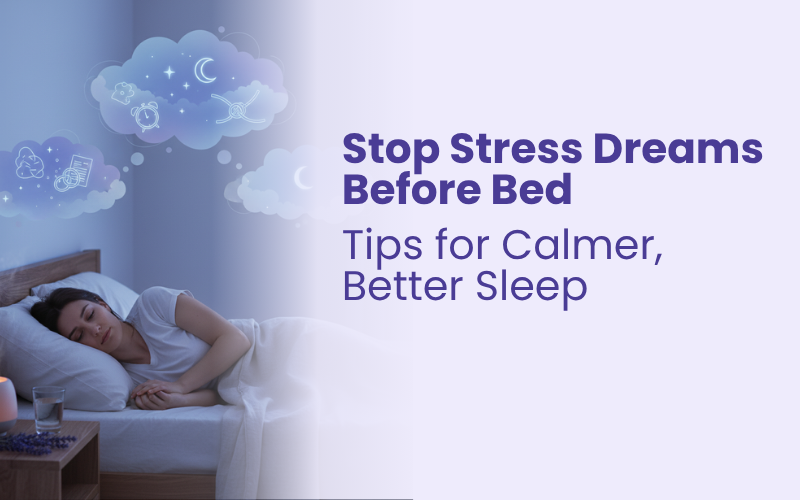
You wake up in the middle of the night with your heart pounding and the strange memory of a dream where you were falling, chased, or totally unprepared. These are known as stress dreams, and they’re a common reaction to what’s going on in your waking life.
Also called anxiety dreams, these intense experiences tend to reflect psychological or emotional pressure that hasn’t been fully processed during the day. While not always harmful, they can affect how rested you feel and may signal a need to pay more attention to stress in your life.
Let’s explore what causes stress dreams, what they commonly look like, and how you can reduce them naturally.
Experts believe dreams are part of your brain’s emotional processing system. When you’re dealing with stress, your brain may “replay” or symbolically act out that tension while you’re sleeping. According to the American Psychological Association, long-term stress impacts cognitive function, mood, and sleep.
Sleep studies suggest that REM sleep, the stage where most dreaming happens, plays a role in emotional regulation and memory processing. When this stage is disrupted, dreams may become more vivid and emotionally charged.
Stress dreams often show up when you’re under pressure, like preparing for a major life change, dealing with grief, or managing daily anxiety.
Stress dreams can also be linked to ongoing mental health conditions. People with generalized anxiety disorder, depression, or PTSD often experience more frequent or disturbing dreams.
Research suggests that people with heightened emotional sensitivity may be more prone to distressing dreams, especially if they’re experiencing unresolved trauma or chronic worry.
While dream content is deeply personal, many stress dreams follow similar patterns. Some common types include:
These dreams can feel unsettling, but they usually don’t mean anything literal. Instead, they reflect what’s bubbling beneath the surface of your daily emotional experience.
You can’t completely prevent dreams, but you can influence how your brain handles stress and prepares for sleep. These strategies can help reduce the intensity or frequency of stress dreams over time.
Lowering your overall stress load is key. Try:
A calmer day often leads to a calmer night.
What you do before bed matters. A relaxing bedtime routine helps prepare your body and brain for restful sleep.
Writing things down helps your brain offload emotional clutter:
Simple changes to your sleep environment can reduce nighttime stress:
If stress dreams become frequent, intense, or start affecting your daytime functioning, it’s worth speaking to a therapist. Therapies like CBT (Cognitive Behavioral Therapy) or CBT-I (for insomnia) are highly effective in managing anxiety-related sleep issues.
You don’t need to live in a cycle of stress and restless nights. Professional support can help you break it.
Stress dreams are your brain’s way of processing emotional overload, especially when your daily life feels overwhelming. While they’re usually not harmful, they can be a red flag that your body and mind need more care.
By making time for relaxation, creating a healthy bedtime routine, and managing stress more intentionally, you can help reduce how often these dreams show up. Don’t underestimate small changes, even simple habits like journaling or using calming tools like CBD may help pave the way toward better, more restful sleep.
If stress dreams continue or worsen, reach out to a qualified mental health professional. Sleep should restore you — not leave you feeling drained.
Quick Summary What the Study Found Dementia affects millions of people worldwide. There is still no cure. Treatments may slow progression in some cases, but
Quick Summary The rise of mixing sleep supplements Sleep problems can feel frustrating, especially when they start to happen more often. Many people begin looking
Quick Summary Interest in the gut microbiome has grown quickly, but research is starting to catch up with the attention. A recent review looks at
Quick Summary What the Study Examined The rise of ChatGPT as therapist reflects a larger shift. More people are turning to AI tools for emotional
Quick Summary What positivity and aging look like Positivity and aging describe how your outlook on life shapes your experience as you grow older. It