
How to Choose the Best CBD Product for Your Lifestyle?
Quick Summary It’s Not About the Strongest Product; It’s About the Right Fit The CBD market has grown rapidly over the past several years, giving
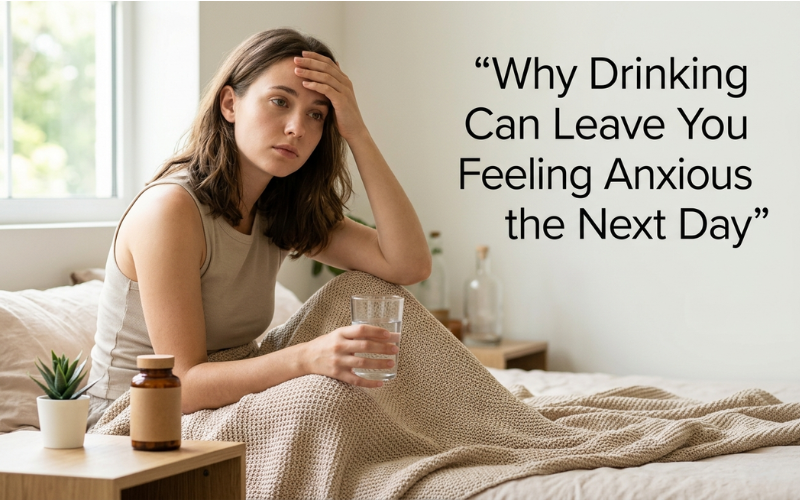
Many people wake up after drinking alcohol and feel more than just a physical hangover. Alongside headaches or fatigue, there may also be a wave of nervousness, overthinking, or emotional discomfort. This experience is often described as hangxiety, a term that combines “hangover” and “anxiety.”
Hangxiety refers to the uneasy feeling that can appear after alcohol leaves the body. It may involve worry about the night before, restlessness, or a general sense of tension.
The feeling can come with racing thoughts about the night before. Someone may replay conversations in their head or worry about how they acted socially. Others feel tense or uneasy without knowing exactly why.
Health experts note that alcohol affects brain systems involved in mood regulation. Research shows that alcohol alters the balance of chemicals that regulate relaxation and alertness. When the body tries to rebalance itself after alcohol leaves the system, the shift can trigger anxious feelings.
For many people, hangxiety fades as the body recovers from the hangover. Still, the emotional experience can feel intense while it is happening.
Alcohol often feels relaxing in the moment. Many people drink because it lowers social tension and creates a temporary sense of calm. However, the brain goes through several chemical changes while processing alcohol, and those changes can influence mood the following day.
As the body recovers, the nervous system may temporarily swing in the opposite direction. This shift can leave some people feeling unusually alert, restless, or emotionally sensitive.
Alcohol increases the activity of a calming neurotransmitter called GABA. This chemical slows down brain activity and produces the relaxed feeling people associate with drinking. At the same time, alcohol suppresses glutamate, which normally stimulates the brain.
Once alcohol leaves the body, the brain attempts to restore balance. Glutamate activity can rebound and become more active than usual. This shift may create feelings of alertness, tension, or anxiety the following day.
This rebound effect can explain why some people feel jittery or emotionally unsettled after drinking.
Alcohol can make people feel sleepy, but it often interferes with healthy sleep cycles. While someone may fall asleep quickly after drinking, their sleep tends to be lighter and more fragmented during the night.
Interrupted sleep affects emotional regulation and stress tolerance. When the brain does not complete normal sleep cycles, it becomes harder to manage anxious thoughts the next day.
Alcohol increases fluid loss through urination, which can lead to dehydration. Dehydration often contributes to headaches, fatigue, and mental fog during a hangover.
These physical symptoms can amplify emotional discomfort. Feeling exhausted and dehydrated makes the body more sensitive to stress signals, which may intensify anxious feelings.
Alcohol can also affect hormones linked to stress, including cortisol. When alcohol levels drop, cortisol activity may temporarily increase. Higher stress hormone levels can contribute to feelings of nervousness, agitation, or emotional vulnerability.
This combination of disrupted sleep, chemical shifts, and physical stress helps explain why hangxiety often appears alongside traditional hangover symptoms.
Hangxiety can look slightly different for everyone, but several patterns tend to appear frequently.
People often describe a mix of emotional and physical symptoms. These may include persistent worry, overthinking social interactions from the night before, or feeling unusually self-critical. Some people experience a racing heart, restlessness, or difficulty concentrating.
Others report a general sense of dread or emotional heaviness that seems to appear without a clear reason.
Mental health experts note that alcohol can temporarily intensify underlying anxiety symptoms. For individuals who already feel prone to worry, the next-day effects of alcohol may feel particularly strong.
Not everyone experiences hangxiety after drinking. Several factors may influence how strongly the body reacts to alcohol. Personal stress levels, sleep quality, drinking habits, and existing anxiety patterns can all play a role.
People who already deal with anxiety may notice stronger emotional swings after drinking. Alcohol can briefly numb anxious feelings during the night, but the rebound effect afterward may amplify those same symptoms.
Researchers have noted that alcohol and anxiety often influence each other in complex ways.
Some individuals naturally reflect deeply on social situations. After drinking, they may replay conversations and wonder how others interpreted their behavior.
This mental replay can easily turn into self-criticism or unnecessary worry, even when nothing unusual actually happened.
Heavy drinking increases the physical stress placed on the body. Larger amounts of alcohol can lead to stronger dehydration, poorer sleep quality, and more dramatic chemical shifts in the brain.
These factors can intensify the emotional effects the next day.
Genetics and metabolism also play a role. Some people are naturally more sensitive to alcohol’s neurological effects. Even moderate drinking may trigger next-day anxiety for individuals whose bodies process alcohol differently.
In most cases, hangxiety is temporary. Symptoms typically improve as the body clears alcohol and restores normal chemical balance.
Many people feel noticeably better within 24 hours, especially after rehydrating, eating balanced meals, and getting proper rest.
However, frequent hangxiety may suggest that alcohol is affecting mental well-being more than expected. If anxiety repeatedly appears after drinking, it may be helpful to reassess drinking habits or speak with a healthcare professional.
The good news is that hangxiety is usually temporary. As the body processes alcohol and restores normal balance, anxious feelings often fade.
Certain habits may help support recovery and make the experience more manageable.
Hydration plays a major role in hangover recovery. Drinking water throughout the day helps replace lost fluids and may reduce physical symptoms that contribute to anxiety.
Electrolyte beverages may also help restore fluid balance.
Balanced meals can stabilize blood sugar levels, which often drop after drinking alcohol. Foods that contain protein, complex carbohydrates, and healthy fats help restore energy and support mood regulation.
Light movement, such as walking, can improve circulation and support recovery. Exposure to daylight may also help reset the body’s internal clock and improve mood.
Even a short walk outside can help ease mental tension.
Hangxiety often comes with exaggerated self-criticism. People tend to replay conversations or worry about how they behaved.
In reality, most people are focused on their own experiences rather than analyzing someone else’s actions. Reminding yourself of this can reduce unnecessary worry.
The body needs time to recover after alcohol. Taking a nap, relaxing, or allowing extra sleep can help restore energy and improve emotional stability.
Recovery tends to happen faster when the nervous system is allowed to calm down.
If hangxiety happens frequently, adjusting drinking habits may help. Some people benefit from spacing drinks, alternating alcohol with water, or setting limits before social events.
Reducing alcohol intake often leads to better sleep, steadier mood, and fewer next-day anxiety symptoms.
Some people also build calming evening routines to help the nervous system reset after stressful days. Gentle habits like meditation, journaling, or herbal teas can support relaxation. Others include CBD products in their wind-down routines. For example, CBD oils or gummies are commonly used to support relaxation and sleep routines.
Occasional hangxiety can happen to many people, especially after heavier drinking. However, frequent or intense anxiety after alcohol may signal that the body is reacting strongly to drinking habits.
Paying attention to these patterns can help people better understand how alcohol affects their mental well-being.
If someone feels anxious after nearly every drinking experience or begins using alcohol to cope with stress, it may be helpful to speak with a healthcare professional.
Health organizations emphasize that alcohol use and anxiety disorders often influence each other. Addressing both areas early can support long-term well-being.
Hangxiety describes the uneasy feeling of anxiety that can appear after drinking alcohol. The experience often happens during a hangover and may include worry, restlessness, or emotional sensitivity.
Alcohol affects brain chemistry, sleep patterns, hydration, and stress hormones. These changes can create the perfect conditions for next-day anxiety.
For most people, hangxiety improves as the body recovers within a day. Hydration, nutritious food, rest, and gentle self-compassion can help ease the experience.
Understanding how alcohol affects the mind and body allows people to make more mindful choices. Small adjustments in drinking habits can often reduce hangxiety and support better emotional balance after social occasions.
Quick Summary It’s Not About the Strongest Product; It’s About the Right Fit The CBD market has grown rapidly over the past several years, giving
Short answer: CBD can calm anxious feelings for some people, particularly at low-to-moderate doses, but it can also increase anxiety in others, especially if the
Quick Summary What Is Non-Sleep Deep Rest? Non-sleep deep rest, or NSDR, is a term coined by neuroscientist Andrew Huberman. It describes guided relaxation practices
Key Takeaways You have probably seen creatine in gym bags and protein shakes for years, but a growing number of researchers are now studying creatine
Quick Summary Learning how to sleep on a plane can turn a miserable red eye into genuine rest. Tight seats, cabin noise, dry air, and