
How to Choose the Best CBD Product for Your Lifestyle?
Quick Summary It’s Not About the Strongest Product; It’s About the Right Fit The CBD market has grown rapidly over the past several years, giving
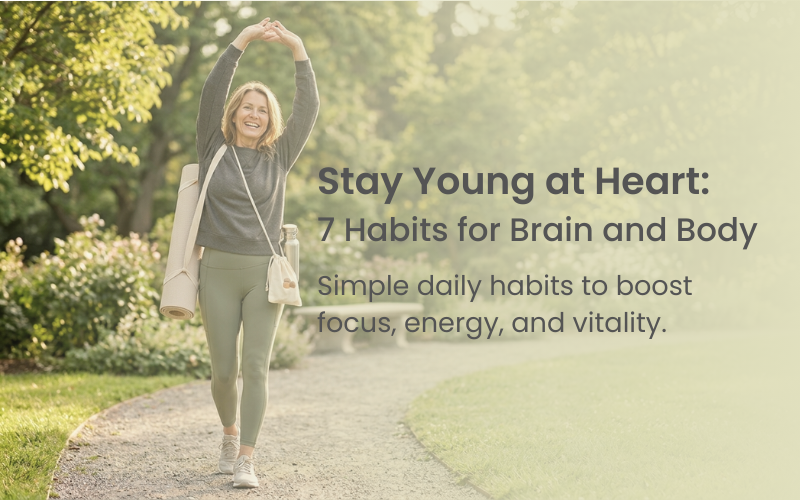
Aging brings natural changes to the brain, but daily choices still play a strong role in how you think and feel. Simple habits to stay sharp as you age can support memory, focus, and mental clarity over time.
Research shows that consistent routines can help the brain adapt and function effectively as you age. The goal is not to avoid aging. The goal is to support your brain with steady, realistic habits that fit into everyday life.
Strong cognitive health often comes from simple routines done consistently. These habits do not need to feel complicated or overwhelming.
Small actions, repeated daily, can help support how the brain processes information and responds to challenges.
The sections below break down practical habits that are easy to follow and maintain.
Physical activity supports brain health directly. It improves blood flow and helps deliver oxygen to brain cells. Regular movement supports memory and thinking over time.
You do not need intense workouts. Simple activities can help:
Consistency matters more than intensity. Even short sessions can support mental clarity when done regularly.
The brain responds well to new challenges. Learning helps build and maintain strong neural connections. Mental stimulation may help support long-term cognitive function.
Simple ways to stay mentally active include:
Variety is important. New experiences create stronger engagement than repeating the same habits.
Social interaction supports several brain regions. It involves communication, memory, and emotional awareness. Regular social engagement supports cognitive health.
Connection does not need to feel overwhelming. Small interactions are enough:
Even short conversations can help keep the mind active and present.
Sleep plays a key role in how the brain resets. It helps process information and supports memory.
Poor sleep can affect focus and decision-making the next day. Research from leading sleep organizations shows that consistent sleep patterns support long-term brain health.
Simple habits that support better sleep include
Some people include relaxation support in their nighttime routines. For example, options like sleep gummies or CBD tinctures are often used to support a more relaxed wind-down routine. These can complement healthy sleep habits without replacing them.
Nutrition affects how the brain functions every day. Certain nutrients support memory and cognitive performance.
Research highlights the role of balanced eating patterns in brain health.
Foods that support cognitive function include:
Hydration also supports focus and mental clarity.
Some people choose to include daily supplements as part of their routine. Multivitamins can support overall wellness when paired with a balanced diet. The focus should remain on consistent habits rather than relying on any single product.
Stress affects the brain in subtle ways. It can make it harder to focus and recall information. Long-term stress may impact cognitive function.
Simple stress management techniques can help:
Some people also include calming support in their routine. CBD gummies may help support a more relaxed state during demanding days. This approach works best when combined with healthy daily habits.
Consistency supports long-term results. A simple routine is easier to follow than a complex plan.
Start with one or two habits. Build gradually over time.
Examples include:
Flexibility matters. A routine should feel supportive, not restrictive.
Over time, these habits create a steady foundation for mental clarity.
Habits to stay sharp as you age need not be complicated. Small, consistent actions can support long-term brain health.
Movement supports blood flow. Mental activity keeps the brain engaged. Social connection adds stimulation. Sleep restores balance. Nutrition fuels function. Stress management protects clarity.
These habits work together. Each one supports a different part of cognitive health.
Start with one habit and build from there. Over time, these simple routines can help you stay focused, present, and mentally strong.
Quick Summary It’s Not About the Strongest Product; It’s About the Right Fit The CBD market has grown rapidly over the past several years, giving
Short answer: CBD can calm anxious feelings for some people, particularly at low-to-moderate doses, but it can also increase anxiety in others, especially if the
Quick Summary What Is Non-Sleep Deep Rest? Non-sleep deep rest, or NSDR, is a term coined by neuroscientist Andrew Huberman. It describes guided relaxation practices
Key Takeaways You have probably seen creatine in gym bags and protein shakes for years, but a growing number of researchers are now studying creatine
Quick Summary Learning how to sleep on a plane can turn a miserable red eye into genuine rest. Tight seats, cabin noise, dry air, and