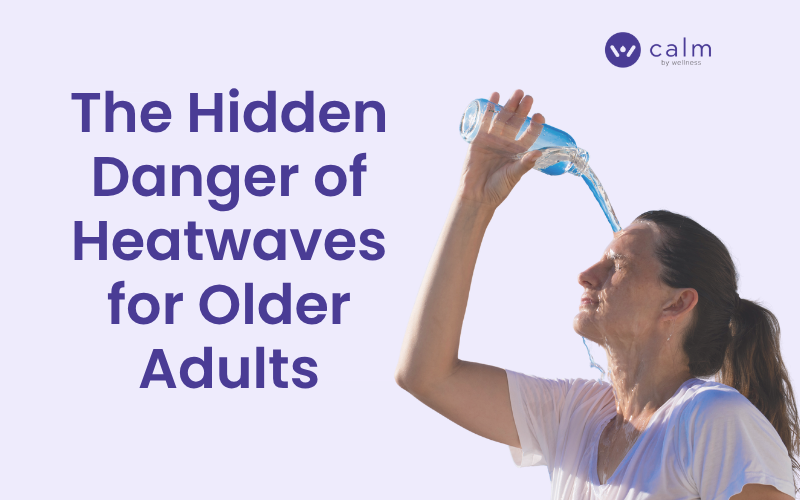
As climate change intensifies, extreme heat safety for older adults has become a critical public health priority. Aging bodies are less able to regulate temperature, manage hydration, and handle physical or emotional stress. The risk is even greater for older adults living with heart, lung, or kidney conditions.
This guide offers science-based advice to help older adults and caregivers recognize danger signs, stay cool, and support the body’s key systems during extreme heat.
How Heat Affects the Aging Body
Why Older Adults Are More Vulnerable
Seniors face increased health risks during heat waves, making extreme heat safety for older adults essential for protecting their well-being and independence. As we age, our bodies undergo changes that make it more challenging to regulate body temperature. Sweat glands work less effectively, thirst signals are weaker, and the skin retains more heat. Add in medications or chronic conditions, and it becomes much easier for an older adult to overheat or become dehydrated without realizing it.
Medications such as diuretics, blood pressure pills, or antidepressants can disrupt the body’s temperature regulation or fluid balance, putting further strain on vital organs.
Protecting the Heart During Heat
Heat forces the heart to work harder to cool the body. It dilates blood vessels, which increases circulation to the skin, and raises the workload on the heart — particularly risky for people with cardiovascular disease.
Risks include:
- Higher chance of heart attacks, arrhythmias, or heart failure
- Dehydration thickens the blood, raising the risk of clotting or blood pressure spikes
- Some heart medications (like beta blockers or diuretics) impair heat tolerance
Heart protection tips:
- Stay well-hydrated and avoid caffeine or alcohol
- Avoid outdoor activity during peak heat hours (10 a.m.–4 p.m.)
- Speak with a doctor about medication adjustments
- Watch for symptoms: dizziness, chest tightness, rapid heart rate
Consider adding a calming evening ritual with Calm by Wellness CBD Sleep Oil to support rest and reduce cardiovascular stress during heat waves.
Lung Health and Breathing Comfort
Hot days often come with higher air pollution and humidity. These can aggravate respiratory conditions like COPD or asthma. Even seniors without chronic lung disease may find it harder to breathe in high heat or humidity.
Risks include:
- Triggered asthma or COPD flare-ups
- Difficulty breathing, chest tightness, or shallow breaths
- Air pollution and ozone buildup are worsening respiratory inflammation
Lung protection tips:
- Check daily air quality and stay indoors if levels are poor
- Use a clean-filtered AC instead of opening windows
- Keep inhalers or breathing treatments readily available
- Practice slow, gentle breathing routines or meditative exercises
Kidney Health: The Hidden Danger of Dehydration
The kidneys rely on adequate hydration to filter waste and maintain electrolyte balance. In older adults, heat can silently impair kidney function, especially if dehydration sets in.
Risks include:
- Acute kidney injury due to fluid loss
- Exacerbation of chronic kidney disease
- Increased chance of electrolyte imbalance or low sodium (hyponatremia), especially with diuretics
Kidney protection tips:
- Sip water regularly throughout the day, even without thirst
- Use hydration supplements or drinks with balanced electrolytes (but low sodium)
- Avoid sugary drinks and excess salt
- Talk to your doctor about fluid goals if on dialysis or water restrictions
Stay cool and hydrated with iced herbal teas infused with Calm by Wellness Strawberry Lemonade CBD Drops, which offer flavor and calm without caffeine.
Recognizing Heat-Related Illness in Seniors
Heat Cramps
Muscle spasms, often in the legs or arms. Treat with fluids and rest.
Heat Exhaustion
Symptoms include heavy sweating, fatigue, dizziness, and nausea. Act quickly: cool the person down, hydrate, and rest.
Heat Stroke (Emergency)
Warning signs include confusion, rapid pulse, hot dry skin, or unconsciousness. Call 911 immediately.
Extreme heat safety for older adults depends on recognizing these symptoms early, especially in those with memory issues or limited mobility.
Practical Ways to Stay Cool and Safe
- Use air conditioning when possible. If unavailable, visit public cooling centers.
- Dress in breathable fabrics like cotton or linen.
- Check weather apps or websites daily. Avoid going out during peak heat, and monitor the heat index, which combines temperature and humidity.
- Cool the body directly with wet cloths or cool showers.
- Plan outings during cooler parts of the day.
- Eat hydrating meals like fruits, vegetables, and broths.
- Check on seniors frequently, especially if they live alone or have chronic conditions.
Does Heat Accelerate Aging?
Emerging research shows that chronic exposure to heat may actually speed up biological aging. A large study published in Science Advances followed over 3,600 older adults and found that those living in hot environments had DNA patterns indicating they were up to 14 months biologically older than peers in cooler climates.
While not yet conclusive, this study underscores the importance of limiting ongoing heat exposure to protect long-term health.
A Word to Caregivers and Family Members
Caring for older adults during extreme heat means thinking ahead and watching for subtle signs of distress. Here’s how to help:
- Create a heat health checklist including heart, lung, and kidney considerations
- Encourage consistent hydration—offer water-rich foods and drinks throughout the day
- Set reminders for medications, fluid intake, and wellness breaks
- Build a calming routine with sleep-supporting wellness products like those from Calm by Wellness
- Check on loved ones twice a day during heatwaves
The Bottomline
Extreme heat safety for older adults is about much more than keeping cool. It means protecting vital organs like the heart, lungs, and kidneys, while also supporting the mind and emotional well-being. Seniors thrive best when their environment and routines support total balance. With thoughtful planning, hydration, and cooling strategies, you can turn even the hottest months into safe and manageable seasons.
Disclaimer: This content is for informational purposes only and is not a substitute for professional medical advice. Always consult your healthcare provider before starting any new wellness routine, especially if you are taking prescription medications or managing a chronic health condition.