
10 Top Wellness Trends Worth Trying in 2026 (Updated)
Quick Summary Wellness trends move fast. One month it is protein coffee, the next it is cold plunges, red light masks, or CBD gummies lined
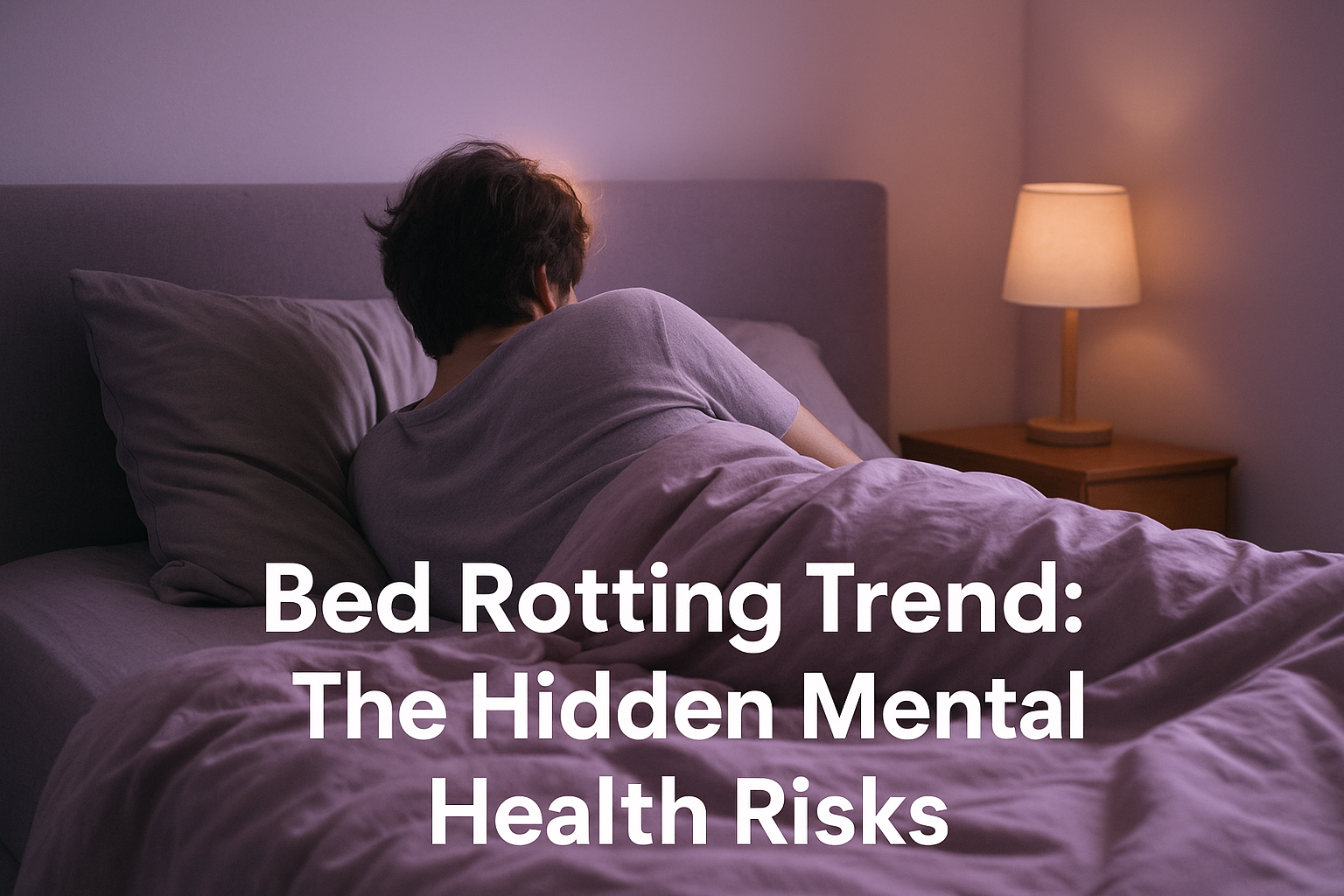
“Bed rotting” is the latest term sweeping TikTok and other social platforms. It refers to spending excessive time in bed, often beyond normal sleeping hours, scrolling through social media, binge-watching TV, or simply lying still.
On the surface, it may seem like harmless self-care. Everyone needs a lazy day now and then. But experts warn that when bed rotting becomes a regular habit, it can harm both mental and physical health.
Gen Z has embraced the term because it speaks to exhaustion, burnout, and the desire to opt out of hustle culture, even temporarily. It is positioned as a form of “self-care” or “mental reset.”
Social media videos show creators under blankets with snacks, phones, and dim lighting, presenting the activity as comforting or even aspirational. Yet what is missing from the conversation is how prolonged inactivity can spiral into poorer mood, disrupted circadian rhythms, and increased anxiety.
Mental health professionals highlight a few key concerns:
Occasional “mental health days” are normal. But chronic bed rotting can signal or worsen underlying mental health issues like depression or anxiety.
While most conversations about bed rotting focus on mental health, there are physical risks too:
Staying in bed during the day can also confuse your body’s internal clock. That’s why the CDC recommends maintaining regular sleep habits to support mental and physical health.
Simple changes, like stretching, gentle walks, or opening curtains for natural light, can counteract many of these effects.
If you’re drawn to the idea of staying in bed, you’re not alone. But you can still find ways to rest without harming your well-being:
The American Psychological Association highlights the importance of social connection as a key buffer against stress and depression. These small changes can keep rest from becoming isolation.
Natural support can go a long way when you’re trying to shift out of harmful patterns like bed rotting. One gentle option is CBD, a non-intoxicating compound found in hemp that’s been widely studied for its calming properties.
Calm by Wellness offers a line of premium CBD products designed to support better sleep, reduce daily stress, and help you unwind without feeling foggy or groggy. Many people use CBD to help regulate mood and promote a sense of calm, especially during high-stress periods or when struggling with restlessness.
From tinctures to gummies to soothing nighttime blends, Calm by Wellness products can be a helpful addition to your self-care routine, especially when paired with healthy habits like movement, mindful breaks, and digital boundaries.
While CBD isn’t a cure-all, it can support your body’s natural ability to find balance. For anyone trying to gently step out of bed-rotting cycles, it may offer a subtle yet effective push toward more restful, restorative routines.
If bed rotting feels like the only way you can cope or if you’re experiencing persistent sadness, fatigue, or withdrawal, it may be time to reach out for professional support. Licensed mental health providers can help you understand the underlying causes and create an individualized plan.
Emergency hotlines and community health centers offer immediate support if you’re in crisis. Seeking help is a sign of strength, not weakness.
Bed rotting might feel comforting in the moment, but when it becomes a regular habit it can undermine both your mental and physical health. Occasional lazy mornings are normal and can even be restorative, but turning bed rotting into a lifestyle can backfire, leaving you more tired, stressed, and disconnected.
The good news is that small, practical changes can help you reclaim your well-being. Blending mindful rest with light activity, setting clear screen boundaries, and creating cozy relaxation spaces outside the bedroom all support better sleep, improved mood, and stronger social connections.
With awareness and small adjustments, you can enjoy the benefits of downtime without slipping into harmful patterns — giving your body and mind the reset they truly need.
Quick Summary Wellness trends move fast. One month it is protein coffee, the next it is cold plunges, red light masks, or CBD gummies lined
Quick Summary The wellness status symbol has quietly changed shape. It used to be a packed schedule, a 5 a.m. workout, or a perfectly optimized
Quick Summary CBD has become one of the most talked about wellness ingredients on the market, and with that popularity comes a lot of confusion.
Quick summary: When people shop for a CBD tincture, they almost always look at one number first. Milligrams of CBD per bottle. That number tells
Quick Summary If you shop for CBD or hemp products, you have probably seen headlines about a federal hemp ban and wondered how it affects